

How to Choose the Right Cleanroom Bag for Your Application
March 25, 2026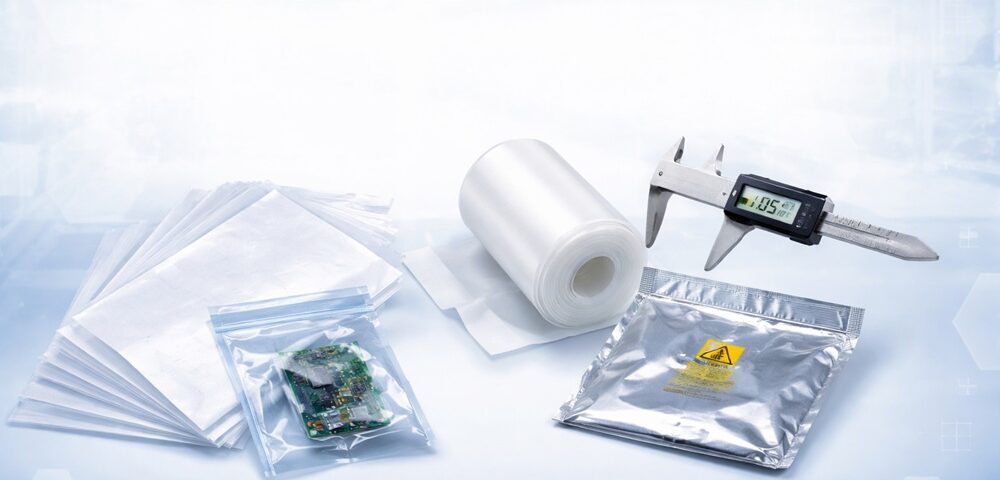
Cleanroom Bag Thickness Guide: 2 mil vs 4 mil vs 6 mil
Cleanroom bag thickness affects more than durability. It influences how the bag handles during use, how it performs under stress, and how reliably protects the product inside.
In many cleanroom environments, packaging is handled multiple times – filled, sealed, transported and sometimes reopened. A thickness that works in one step may fail in another.
This is where selection becomes practical, not theoretical. The goal is to match thickness to actual use conditions, not just product weight.
This guide explains how common thickness levels perform and how to choose based on real application factors.
Jump to Section:
What Thickness Actually Controls
Comparing 2 mil, 4 mil and 6 mil in Real Use
How Thickness Affects Handling and Process Flow
Where Thickness Choices Go Wrong
Matching Thickness to Real Conditions
Thickness vs Material – Why Both Matter
When Thicker Becomes a Limitation
When Custom Thickness Makes Sense
Consistency and Supply Considerations
Key Takeaways
What Thickness Actually Controls
Thickness is measured in mil (1 mil = 0.001 inch), but the number alone does not tell the full story.
In practice, thickness controls three things:
- How the bag resists punctures and tearing
- How easily it can be handled and sealed
- How consistent it performs across repeated use
- 2 mil bag and a 6 mil bag made from the same material behave very differently once handling begins. The difference becomes more noticeable in high-volume or multi-step processes.
Comparing 2 mil, 4 mil and 6 mil in Real Use
The key difference is how the bag performs during actual handling, especially under pressure, friction or repeated movement.
How Thickness Affects Handling and Process Flow
Thickness decisions often break down during handling, not storage.
In controlled environments, operators work with gloves, limited dexterity and strict procedures. A thicker bag can feel more stable, but it may also be harder to open, position or seal.
In high-volume settings:
- Thicker bags can slow down packing speed
- Thinner bags can increase failure rates if stressed
This creates a trade-off between efficiency and protection.
For example, a 6 mil bag may reduce puncture risk, but if it slows sealing or causes handling friction, it can introduce process inefficiencies or even contamination risks.
Where Thickness Choices Go Wrong
Thickness is often selected using simple logic: heavier product equals thicker bag. This works in some cases, but it misses other variables.
Common issues include:
- Selecting thicker bags without considering handling impact
- Using thin bags in multi-step processes where stress accumulates
- Ignoring sharp edges or irregular shapes
- Over-specifying thickness in low-risk applications, increasing cost without benefit
A common pattern in cleanroom operations is that failure happens during movement, not storage. Thickness should be chosen with that in mind.
Matching Thickness to Real Conditions
A better approach is to evaluate the full use cycle:
1. Product characteristics
Weight matters, but shape matters just as much. Sharp or uneven edges increase puncture risk.
2. Handling frequency
Single-use packaging has different requirements than bags that are opened and repositioned multiple times.
3. Transport conditions
Long-distance or multi-stage transport increases stress on the material.
4. Failure impact
If bag failure leads to contamination or product loss, the margin for error is low.
In many operations:
- 2 mil works where handling is minimal and risk is low
- 4 mil fits most standard workflows
- 6 mil is used where failure carries higher consequences
If you’re comparing options, reviewing available cleanroom poly bags in different thicknesses can help align selection with real use conditions.
Thickness vs Material – Why Both Matter
Thickness does not replace material selection.
For example:
- HDPE at 4 mil behaves differently from LDPE at 4 mil
- Nylon at lower thickness may outperform thicker polyethylene in puncture resistance
Material defines baseline properties. Thickness adjusts how those properties perform under stress.
Both need to be aligned with the application.
When Thicker Becomes a Limitation
Thicker is not always safer.
In some cases, increased thickness introduces new issues:
- Reduced flexibility during sealing
- More force required for handling in gloves
- Increased material cost at scale
- Difficulty fitting tightly sized components
In precision environments, these small inefficiencies can affect throughput and consistency.
The goal is not maximum thickness. It is appropriate thickness.
When Custom Thickness Makes Sense
Standard thickness levels cover most applications. Custom specifications are used when:
- Products fall between standard durability ranges
- Handling conditions create unique stress patterns
- Validation requirements demand tighter control
Custom thickness is often considered in high-volume or high-risk processes where small improvements have measurable impact.
Consistency and Supply Considerations
Thickness is only useful if it is consistent.
Variation between batches can lead to unpredictable performance. In cleanroom environments, this creates risk.
When evaluating a supplier, consistency matters as much as specification. Look for:
- Controlled manufacturing conditions
- Measured thickness tolerances
- Repeatability across orders
- Quality control processes tied to contamination standards
Pristine Clean Bags® supplies cleanroom packaging including LDPE, HDPE and nylon bags, along with tubing and film. Products are manufactured under controlled conditions to maintain consistency across batches.
You can review available cleanroom packaging solutions or explore options based on your requirements.
Key Takeaways
Thickness affects more than strength. It influences handling, process efficiency and failure risk.
- 2 mil works for low-risk, lightweight applications
- 4 mil fits most general cleanroom use
- 6 mil provides added protection where failure is not acceptable
The correct choice depends on how the bag is used, not just what it holds. Selecting thickness based on real conditions leads to better performance and fewer issues over time.