
Top Cleanroom Contamination Sources
July 8, 2025
Cleanroom Bag Thickness Guide: 2 mil vs 4 mil vs 6 mil
March 25, 2026
How to Choose the Right Cleanroom Bag for Your Application
In cleanroom environments, packaging is a critical part of contamination control. The wrong cleanroom bag can introduce particles, compromise product integrity or lead to compliance issues.
With multiple materials, thicknesses and formats available, selecting the right cleanroom bag can quickly become complex. This guide breaks down the key factors to consider so you can confidently choose the right solution for your application.
Jump to Section:
Why Cleanroom Bag Selection Matters
Key Factors to Consider When Choosing a Cleanroom Bag
Cleanroom Bag Type Comparison
Common Use Cases by Industry
Common Mistakes to Avoid
Cleanroom Bag Selection Checklist
When to Consider Custom Cleanroom Bags
Choose a Reliable Cleanroom Packaging Supplier
Conclusion
Why Cleanroom Bag Selection Matters
Cleanroom bags are often in direct contact with sensitive components, materials or finished products. Because of this, they play a direct role in maintaining:
- Product cleanliness and integrity
- Regulatory and quality compliance
- Manufacturing efficiency and yield
Different industries, such as medical device manufacturing, electronics and pharmaceuticals have varying requirements. Choosing the right bag ensures your packaging supports, instead of compromises, your cleanroom process.
Key Factors to Consider When Choosing a Cleanroom Bag
Material Type (Most Important Factor)
The material of the bag determines its strength, flexibility and suitability for different environments.
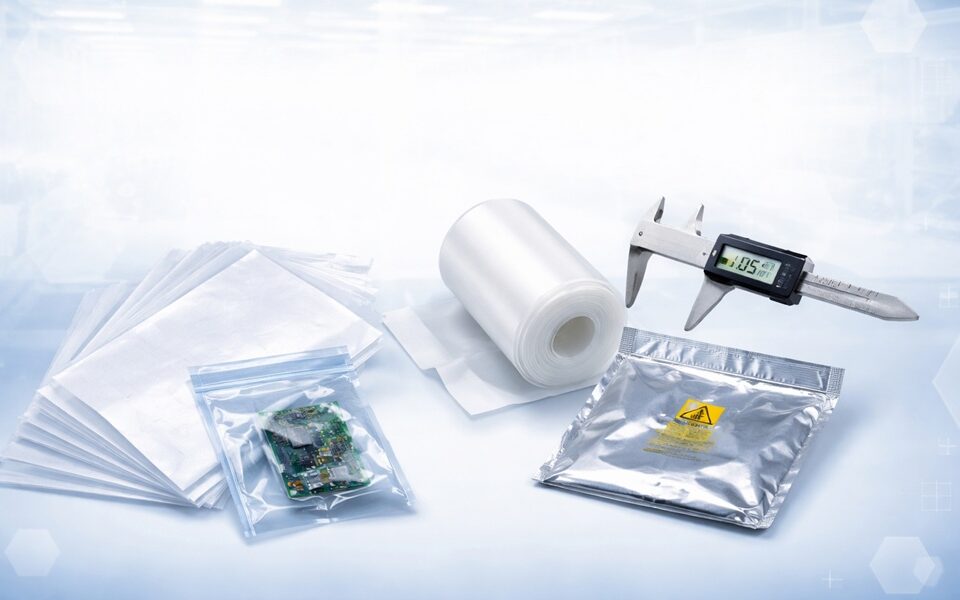
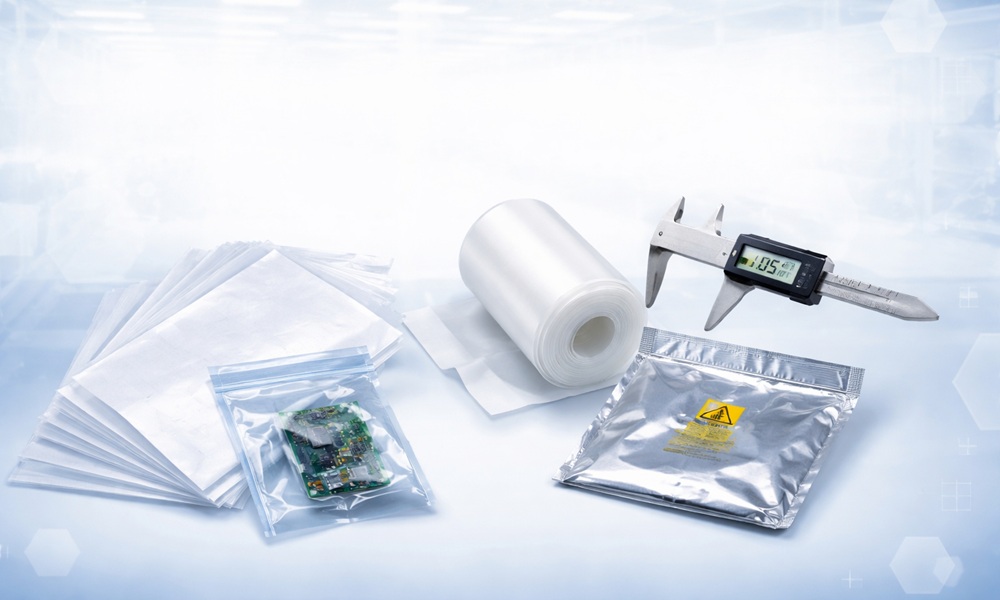
- LDPE (Low-Density Polyethylene): Common choice for general-purpose cleanroom packaging due to flexibility and cost-effectiveness
- HDPE (High-Density Polyethylene): Offers higher strength and is often used where lower particle generation is important
- Nylon: Suitable for demanding applications requiring durability and puncture resistance
- Moisture barrier films: Used when environmental protection is critical
If you’re evaluating options, you can review available cleanroom poly bags or explore cleanroom tubing solutions to determine the best fit for your application.
Thickness (Durability vs Flexibility)
Cleanroom bags are typically measured in mil thickness (e.g., 2 mil, 4 mil, 6 mil).
- Thinner bags → more flexible and cost-effective
- Thicker bags → greater durability and protection
General guidance:
- Lightweight components → thinner bags
- Heavy or sharp items → thicker bags
Selecting the correct thickness helps balance protection, usability and cost.
Bag Size & Dimensions
Proper sizing is essential for both protection and contamination control.
- Bags that are too small can cause damage or improper sealing
- Oversized bags may increase contamination risk and reduce efficiency
Best practice: Allow enough space for safe handling and sealing without excessive unused volume.
Bag Type / Format
Different formats are designed for different use cases:
- Flat bags: Standard option for most applications
- Gusseted bags: Expandable for bulkier items
- Tubing: Ideal for creating custom-length bags
- Zipper bags: Useful for applications requiring repeated access
Each format offers a different balance of flexibility, protection and efficiency.
Cleanroom Compatibility
Not all plastic bags are suitable for cleanroom environments.
Cleanroom-compatible bags are typically:
- Manufactured in controlled environments
- Designed to minimize particle shedding
- Packaged to maintain cleanliness (often double-bagged)
Working with a supplier that prioritizes quality control helps ensure consistency.
Special Requirements
Some applications require additional considerations:
- ESD protection for electronics
- Sterilization compatibility (e.g., gamma irradiation)
- Moisture control for sensitive products
- Chemical resistance depending on the environment
These factors can significantly influence material selection.
These factors can significantly influence material selection.
Cleanroom Bag Type Comparison
| Type | Advantages | Limitations | Best Use Case |
|---|---|---|---|
| Flat Bags | Simple, cost-effective | Limited capacity | Standard components |
| Gusseted Bags | More volume | Bulkier handling | Larger items |
| Tubing | Customizable | Requires sealing equipment | Variable-sized products |
| Zipper Bags | Reusable, convenient | Not always suitable for sterile use | Repeated access |
Common Use Cases by Industry
Different industries prioritize different packaging characteristics:
- Medical devices: Cleanliness, traceability and sterilization compatibility
- Electronics: Low particle generation and ESD-safe materials
- Pharmaceuticals: Compliance, contamination control and material compatibility
- Aerospace: Durability and protection for precision components
Understanding your specific industry requirements helps narrow your options.
Common Mistakes to Avoid
When selecting cleanroom bags, avoid these common issues:
- Choosing based on price alone
- Ignoring material compatibility
- Using incorrect thickness
- Overlooking contamination requirements
- Not considering storage and transport conditions
These mistakes can lead to product damage, contamination and increased operational costs.
Cleanroom Bag Selection Checklist
Use this checklist to guide your decision:
- What material best suits your application?
- What size and dimensions are required?
- What thickness provides adequate protection?
- Does the bag meet cleanroom compatibility requirements?
- Are there special requirements (ESD, moisture, sterilization)?
- Do you need a standard or custom solution?
When to Consider Custom Cleanroom Bags
Standard options work for many applications, but custom cleanroom bags may be necessary when:
- Product sizes are non-standard
- Specialized materials are required
- High-volume production demands consistency
- Regulatory or validation requirements are strict
Custom solutions can improve efficiency and ensure a better fit for your process.
Choose a Reliable Cleanroom Packaging Supplier
Selecting the right cleanroom bag is only part of the process. The supplier you choose directly impacts product quality, consistency and compliance.
Even the correct material or thickness can fail if manufacturing standards are inconsistent or contamination control is not properly maintained.
When evaluating cleanroom packaging suppliers, consider:
- Manufacturing environment: Are products produced in controlled cleanroom conditions?
- Quality control processes: Is there batch testing and contamination monitoring?
- Material consistency: Are specifications consistent across orders?
- Traceability: Can materials be tracked for compliance and validation?
- Supply reliability: Can the supplier meet lead times and volume requirements?
Working with an experienced supplier helps reduce risk, especially in regulated or high-precision industries.
Pristine Clean Bags® provides cleanroom packaging solutions including LDPE, HDPE and nylon bags, as well as tubing and moisture barrier films. These products are supported by strict quality control processes designed to maintain consistency and cleanliness.
If you’re evaluating options, you can explore available cleanroom packaging solutions, review quality control standards, or request guidance based on your specific application.
Conclusion
There is no one-size-fits-all solution when it comes to cleanroom bags. The right choice depends on your material requirements, product characteristics and cleanroom conditions.
By focusing on key factors like material, thickness, size and special requirements, you can select packaging that supports both product protection and operational efficiency.
If you’re in the process of selecting cleanroom packaging, reviewing available options or speaking with a supplier can help ensure the right fit for your application.